
Decanters
Alfa Laval decanter centrifuges support solid-liquid separation in a seamless, continuous process. Stand out from the competition with high-performance separation that delivers clarified or extracted products of exceptional quality and superior commercial value. Recover valuable raw materials, reduce energy consumption, and lower your environmental footprint and waste management costs—always backed by service expertise for optimal performance and long-term reliability of your decanter separator.
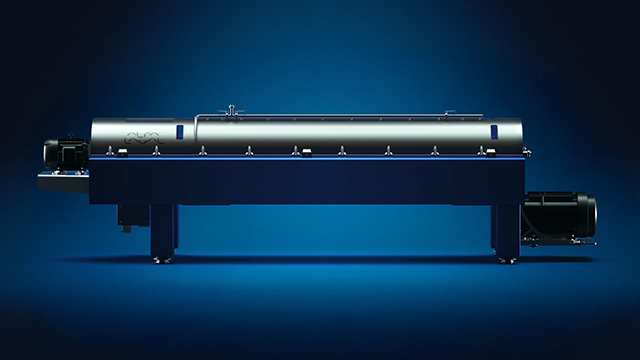
Experience maximum solid-liquid separation efficiency
- High-performance separation, resulting in high-value products and low waste management costs
- Lower energy consumption and carbon footprint
- Minimal maintenance costs thanks to continuous operation, high-grade machine materials, smart design and well-thought preventive services
- Low capital cost/capacity ratio
- Wide-ranging feed variations and controllable performance
A comprehensive range of decanters for water, food and energy industries
Solid-liquid separation is a common manufacturing process in countless industries, and Alfa Laval has over 60 years of experience using decanter centrifuges to meet this requirement. Their operation makes use of centrifugal force – the effect can be up to 4000 times greater compared to using gravitational forces.
Alfa Laval uses high-grade stainless steel for all parts in contact with the solid-liquid separation process to prevent corrosion. High-stress rotating components are machined from high-strength centrifugally cast stainless steel – ensuring uniform, flaw-free castings and weld-free components for maximum strength, reliability, and long service life. Wear-prone areas, such as the feed zone, solids discharge output zone, bowl, and scroll, are protected by abrasion-resistant materials tailored to each industrial process. Continual refinement of the seal technology used in Alfa Laval decanter separators is ensured by our technological resources for superior performance.
Applications
Food and beverages
- Brewery
- Casein, lactose, and cheese fine recovery
- Coffee and tea
- Distilleries
- Juices
- Plant-based drinks
- Plant-based proteins
- Starch
- Wine
Life science and biotech
- Fermentation
- Biomass separation
Oils, fats, and animal proteins
- Avocado oil
- Fish processing
- Insects
- Olive oil
- Palm oil
- Rendering
- Seed oil
- Surimi processing
Biofuels
- Bioethanol
- Biodiesel
- Biogas
Wastewater
- Industrial wastewater treatment
- Municipal wastetwater treatment
- Potable water treatment plant
Energy
- Battery recycling
- Ground engineering
- Mineral exploration drilling
- Mining and tailings
- Pulp & Paper
- Zero Liquid Discharge
TrueStainless™
Stainless steel for long-lasting hygiene
TrueStainless™ ensures solid stainless steel is used for the frame and other key parts of your decanter centrifuge that may be in contact with corrosive atmospheres, leading to optimal hygiene and longer equipment life.
PondCtrl™
Adjustable pond depth control during operation
Fast and accurate adjustment of your decanter centrifuge pond depth, ensuring optimum conditions for maximum separation performance, cleanability and easy start-ups.
PowerTubes
Liquid outlet with pond depth regulation and energy recovery
PowerTubes adjustable outlets are designed to release the liquid tangential to the rotating direction, supporting the bowl rotation and thereby recovering energy, and minimizing power consumption.
FlightGuard
Robust wear protection for conveyor flights
FlightGuard wear protection consists of tiles welded to the conveyor of your decanter centrifuge, providing robust wear resistance and prolonged uptime in highly abrasive applications.
EasyLift
Spring loaded cover, that simplifies servicing
The patented spring-loaded hinged design makes it easy to open even the heaviest cover by hand. This also helps ensure quick, safe access for maintenance and service of your decanter centrifuge.
How do decanters work?
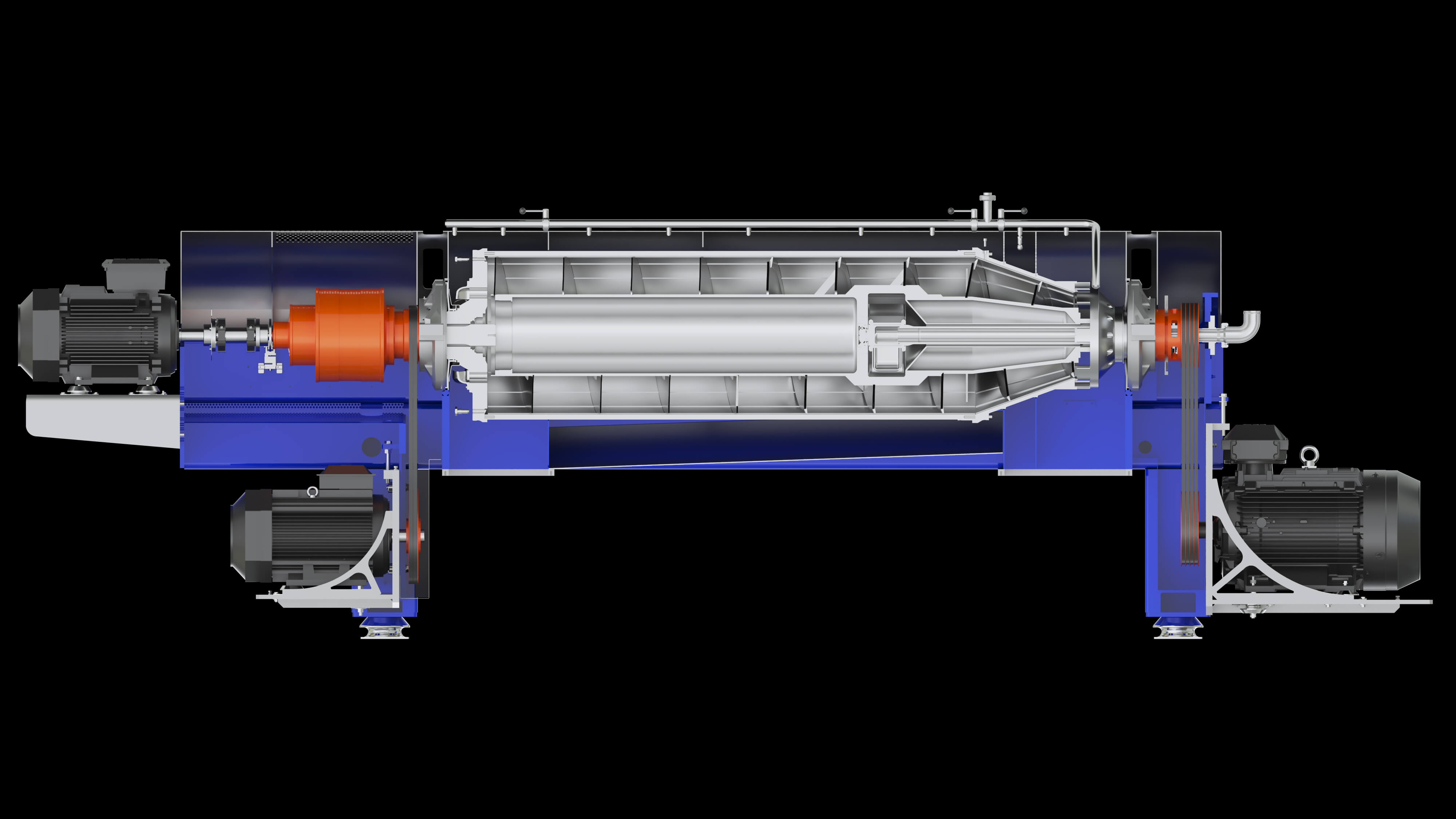
During solid-liquid separation, centrifugal forces act on the process stream, causing the denser solid particles to migrate outward toward the rotating bowl wall, while the less dense liquid phase forms a concentric inner layer in an Alfa Laval decanter centrifuge. Regardless of whether it is a decanter for water, food, or energy applications, interchangeable power recovering tubes or plates are employed to adjust the liquid depth, or “pond level,” to meet specific process requirements. The solids are continuously removed by a screw conveyor rotating at a different speed than the bowl. This controlled speed differential enables the gradual transport of separated solids out of the pond and along the conical section, or “beach,” for efficient discharge.
Centrifugal forces within Alfa Laval decanters compact the solid phase and expel surplus liquid, resulting in a dewatered "cake" that is subsequently conveyed and discharge from the bowl. The clarified liquid phase—or multiple phases in the case of three-phase separation—overflows the dam plates or PowerTubes situated at the opposite end of the bowl. Internal baffles within the decanter casing direct each phase into its designated flow path, ensuring proper collection and eliminating cross-contamination risk. To accommodate fluctuations in the incoming solids loading, the speed of the screw conveyor may be automatically adjusted via a variable frequency drive (VFD) in combination with a torque control system, which continuously monitors the torque load on the conveyor. When solids loading increases, the system automatically adjusts the differential speed to prevent torque overload, ensuring stable operation and consistent dryness of the discharged solids. Conversely, under lighter loads, this speed is reduced to minimize wear and energy consumption.
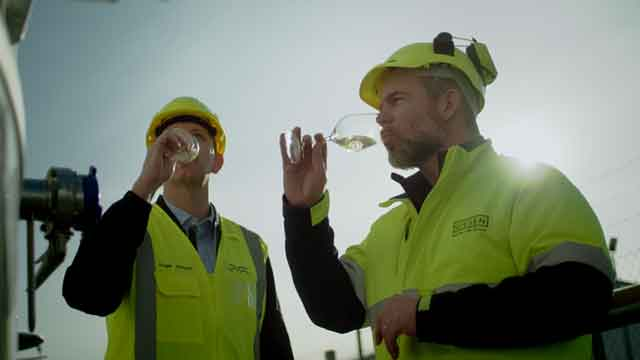
Decanter for food: Proven results from our customers
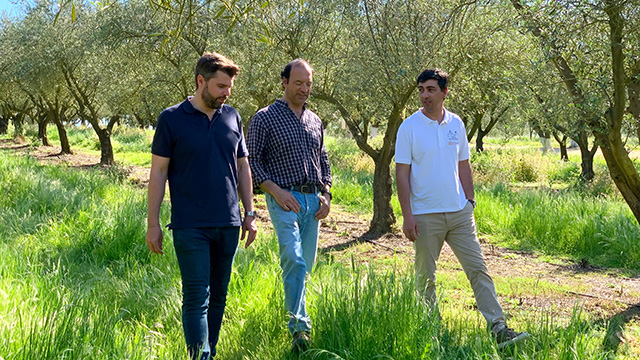
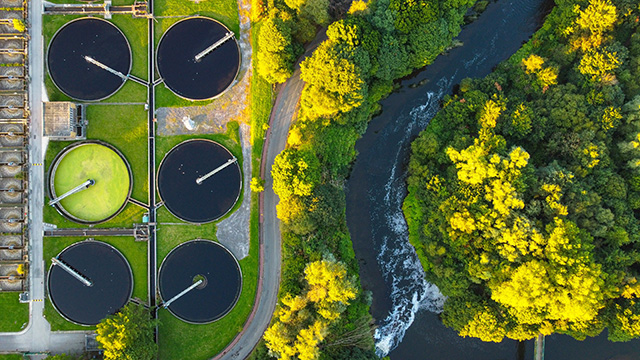
Decanter for water: Success stories from our customers

Decanter services
Extending the performance of your decanter
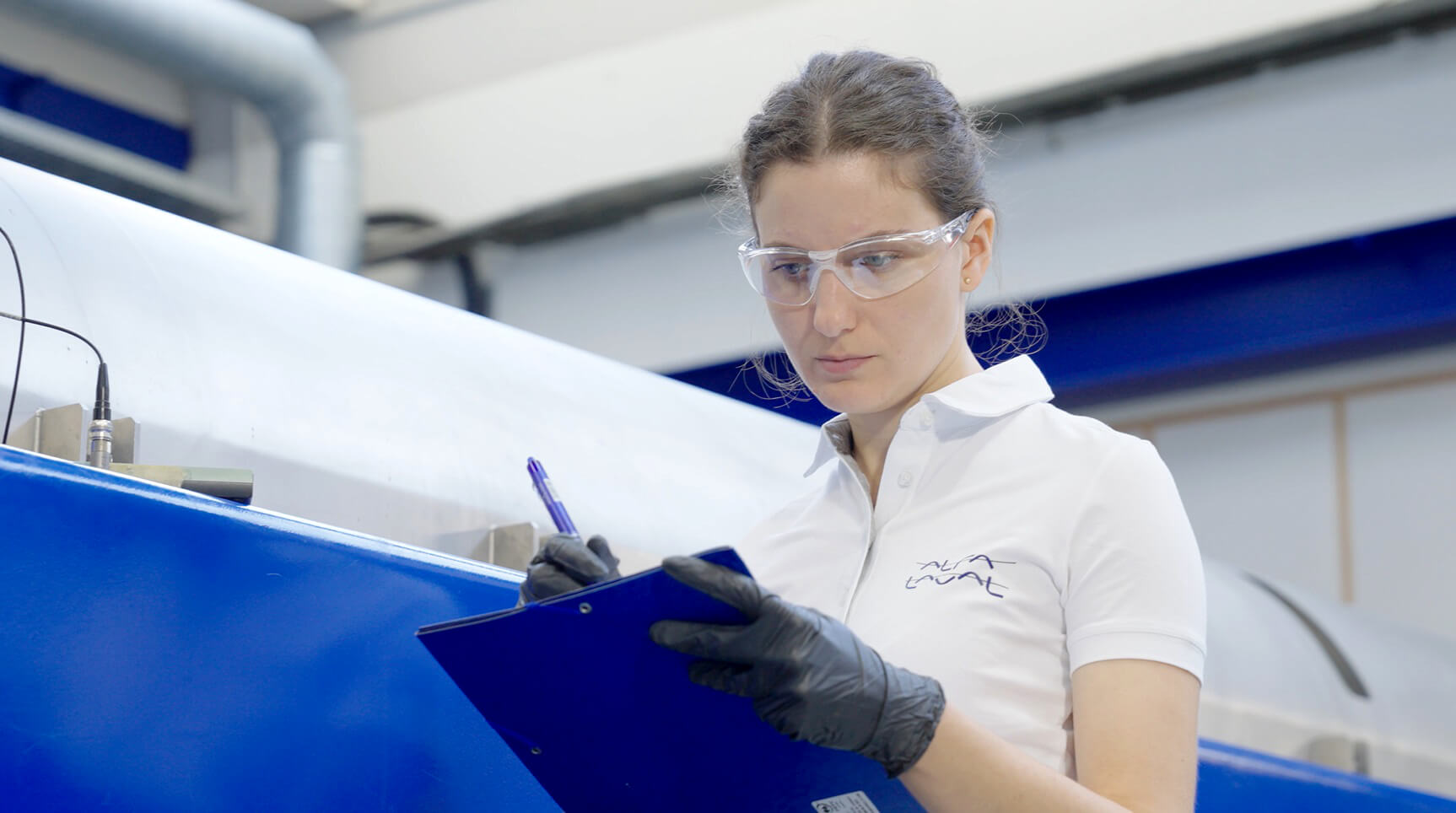
Our dedicated Global Service Network supports you with parts and expertise—wherever you are, whenever you need it. By ensuring greater uptime, precise control, availability and optimization, we help bring you peace of mind and maximize your return on investment.
We can also integrate our services into an Alfa Laval Service Agreement, ensuring reliable decanter performance under varying process conditions and enabling worry-free operations that extend your equipment’s lifespan.
Minimize operating cost with Alfa Laval Connected Services
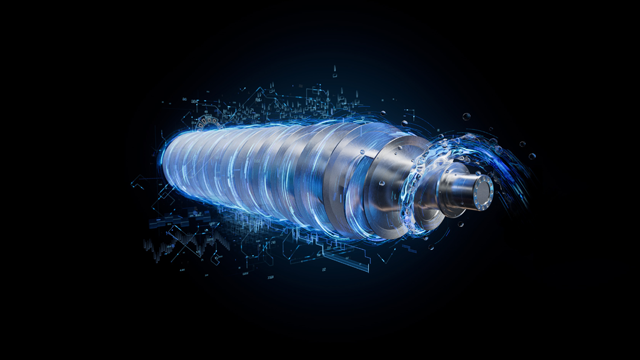
Alfa Laval offers a range of digital services aimed at bringing completely new possibilities to increase efficiency and add value to your machine. With Connected Services, you’ll always know how your decanter is performing, why it isn’t, and receive remote assistance to correct the issue—cutting costs and improving reliability.
Our Connectivity Solutions help us serve you better in domains such as predictive preventive maintenance, real-time monitoring, remote control, and other connected services that can be bundled into a service agreement to ensure more and better uptime, so your investment consistently performs at the optimal level it was engineered for.
Test Alfa Laval decanters in your application
Alfa Laval offers tailored testing capabilities to ensure maximum separation efficiency and scalable results
Founded in 1883, Alfa Laval has been a pioneer in centrifugal separation technology with continuous breakthroughs, including our high-performance decanter separator. Leveraging our industry know-how and specialist process experience from around the world, Alfa Laval provides professional guidance throughout the entire testing process. This ensures the best solution for each application and helps you achieve your business and environmental goals faster and more efficiently.
From small-scale onsite pilot testing to scalable production, experience the convenience of a compact, modular, plug-and-play skid-mounted unit. Watch the video to learn more about our reliable decanter centrifuge equipment for solid liquid separation—driving efficiency across every stage of your process.
FAQs
How is the right decanter centrifuge size selected for an industrial process?
Decanter sizing depends on the required feed rate, solids concentration, particle size, density difference, liquid viscosity, operating temperature and required separation outcome. Target cake dryness, liquid clarity, daily operating hours and expected feed variations should also be considered. Process testing is recommended when feed behaviour cannot be predicted accurately.
When should a two-phase or three-phase decanter be selected?
A two-phase decanter separates suspended solids from one liquid phase. A three-phase decanter is suitable when the process stream contains solids and two liquids with different densities, such as oil and water. Feed composition, interphase stability and the required purity of each discharged phase influence the final selection.
Can a decanter centrifuge manage changes in feed rate and solids concentration?
A properly configured decanter can manage feed variations within its designed operating range. Variable frequency drives and torque control systems adjust the conveyor’s differential speed when the solids load changes. This helps prevent torque overload and supports more consistent solids
Which operating parameters have the greatest effect on separation performance?
The main parameters are bowl speed, differential speed, pond depth and feed rate. Feed temperature, viscosity, particle characteristics and solids concentration also influence performance. These variables must be adjusted together because improving cake dryness may sometimes affect liquid clarity or processing capacity.
How can the energy consumption of a decanter centrifuge be reduced?
Energy use can be reduced through correct equipment sizing, stable feed conditions and suitable bowl and differential speeds. Alfa Laval PowerTubes release liquid in a direction that supports bowl rotation and recovers part of the discharge energy. Regular maintenance also prevents mechanical inefficiencies that increase power demand.
What determines the total cost of ownership of a decanter centrifuge?
Total cost includes equipment investment, energy consumption, chemicals, wear parts, routine servicing, labour and unplanned downtime. Product recovery, waste volume, transportation and disposal costs should also be included. Comparing equipment only by purchase price can hide significant differences in long-term operating costs.
What can cause a sudden decline in separation performance?
Common causes include changes in feed composition, excessive feed flow, incorrect bowl or differential speed, unsuitable pond depth, solids accumulation and wear in critical components. Additive dosage or mixing problems may also affect processes that use flocculants. Operating data should be reviewed before settings are changed.
How do connected services support decanter uptime?
Connected monitoring collects operating data and provides information about alarms, component condition and performance changes. Historical data helps service teams diagnose problems remotely and plan maintenance before a breakdown occurs. This also supports better spare-parts planning and reduces unnecessary site visits.
Which decanter operating conditions should be monitored regularly?
Operators should monitor feed rate, solids density, bowl speed, differential speed, conveyor torque, vibration and bearing temperature. Cake dryness, centrate quality, leaks and unusual noise should also be recorded. Tracking these values helps identify performance changes before they result in larger mechanical problems.
Which construction materials are suitable for corrosive or hygienic applications?
Material selection depends on process chemistry, temperature, cleaning procedures and applicable hygiene requirements. High-grade stainless steel is commonly used for wetted components, while compatible seals and corrosion-resistant materials should be selected for the specific process. Alfa Laval’s TrueStainless design also uses stainless steel in key external areas exposed to corrosive environments.