
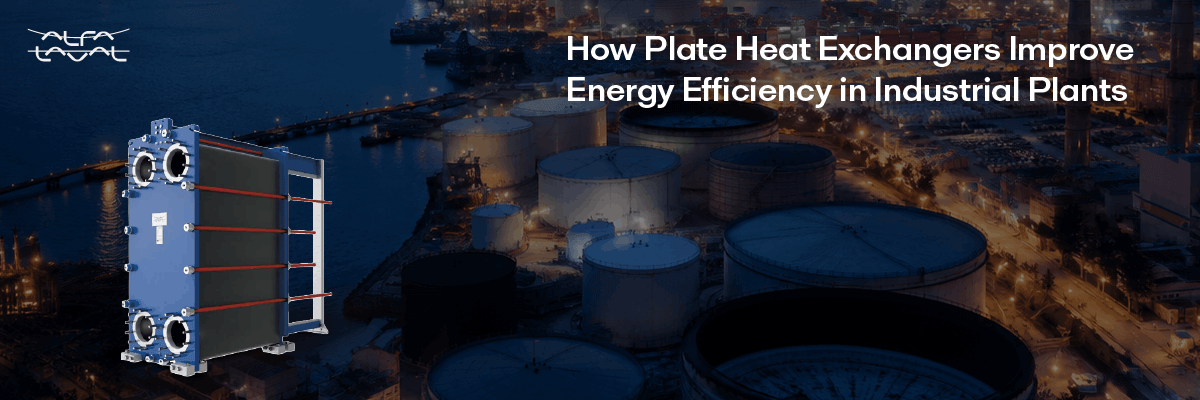
How Plate Heat Exchangers Improve Energy Efficiency in Industrial Plants
Industrial plants consume substantial energy in process heating and cooling operations. Rising energy costs and stricter efficiency targets demand optimized thermal systems. Advanced plate heat exchangers from a reliable heat exchanger manufacturer improve heat transfer coefficients, enhance waste heat recovery, and reduce thermal losses. This results in higher energy efficiency, lower operating costs, and improved process stability across industrial plants.
DATE 2026-05-22What Is a Plate Heat Exchanger?
A plate heat exchanger is a highly efficient heat transfer device that transfers thermal energy between two or more fluids without allowing them to mix. Developed by experienced heat exchanger manufacturers, its design maximizes heat transfer while minimizing energy losses, making it ideal for demanding industrial applications.
Working Principle
The working principle of a plate heat exchanger is based on counter‑current flow. Thin, corrugated metal plates are stacked together, creating channels through which hot and cold fluids flow alternately. Heat is transferred rapidly through the plates due to their large surface area and turbulent flow patterns, resulting in exceptional plate heat exchanger efficiency.
To see this principle applied across different designs, explore Alfa Laval’s complete plate heat exchanger portfolio.
Key Components
Typical components include:
- Heat transfer plates
- Gaskets or welded joints (depending on type)
- Frame plates and tightening bolts
- Inlet and outlet ports
In gasketed plate‑and‑frame heat exchangers, these components are designed by the heat exchanger manufacturer to provide flexibility, easy inspection, and long service life.
Types of Plate Heat Exchangers
Common types used in industry include:
- Gasketed plate heat exchangers for flexible operation
- Brazed plate heat exchangers for compact, high‑pressure systems
- Welded and semi‑welded plate heat exchangers for aggressive or high‑temperature fluids
Why Energy Efficiency Matters in Industrial Plants
Energy efficiency is no longer optional—it is a strategic necessity.
- Rising energy costs directly impact profitability
- Environmental regulations demand lower emissions and reduced carbon footprints
- Heat recovery allows plants to reuse energy that would otherwise be wasted
Modern process heat recovery systems rely heavily on compact solutions from a trusted heat exchanger manufacturer.
How Plate Heat Exchangers Improve Energy Efficiency
High Heat Transfer Efficiency
Plate heat exchangers deliver superior heat transfer compared to traditional shell‑and‑tube designs. Corrugated plates create turbulence even at low flow rates, ensuring consistently high plate heat exchanger efficiency—an outcome achieved through advanced engineering by a global heat exchanger manufacturer.
Effective Heat Recovery
One of the key benefits of plate heat exchangers in industry is their ability to support heat recovery. Waste heat from compressors, exhaust gases, or hot process streams can be recovered using compact plate heat exchanger units and reused for:
- Pre‑heating raw materials
- Generating hot water
- Supporting downstream processes
Alfa Laval’s brazed plate heat exchangers are commonly used in heat recovery applications due to their high efficiency and minimal footprint.
Reduced Energy Consumption
Because less driving energy is required to achieve the same thermal output, plate heat exchangers reduce overall energy consumption. Pumps, boilers, and chillers can operate at lower loads, improving efficiency when systems are designed by an experienced heat exchanger manufacturer.
Compact Design with Minimal Heat Loss
The compact design of plate heat exchangers reduces exposed surface area, minimizing heat loss to the surrounding environment. These advantages of compact heat exchangers in factories also simplify integration into existing production layouts, especially where space is limited.
Key Benefits of Plate Heat Exchangers
- Lower operating costs through reduced energy use
- Space‑saving design, particularly with compact brazed plate heat exchangers
- Easy maintenance, with accessible plates and frames
- Reduced carbon emissions, supporting sustainability targets
Regular inspection and genuine spare parts from the heat exchanger manufacturer ensure long‑term plate heat exchanger maintenance and performance.
Industries Using Plate Heat Exchangers
Plate heat exchangers are widely used across industries due to their flexibility and performance:
- Food & beverage – pasteurization, cooling, and heat recovery using hygienic plate heat exchangers
- Chemical & petrochemical – precise temperature control for reactions
- Power generation – cooling and energy recovery circuits
- HVAC and refrigeration – efficient heating, cooling, and heat pump applications
Learn more about industry‑specific solutions on Alfa Laval’s Industries page.
Plate Heat Exchangers vs Traditional Heat Exchangers
Efficiency Comparison
Compared to shell‑and‑tube heat exchangers, plate heat exchangers offer:
- Higher heat transfer coefficients
- Close temperature approach
- Improved heat recovery
This makes them the preferred solution for energy‑efficient industrial operations supported by a specialized heat exchanger manufacturer.
Maintenance and Space Advantages
Traditional heat exchangers typically require more space and longer shutdowns for cleaning. In contrast, gasketed plate heat exchangers allow easy disassembly, quicker cleaning, and capacity expansion without replacing the entire unit.
Tips to Maximize Efficiency
To get the best performance from plate heat exchangers:
- Use proper system design tools from your heat exchanger manufacturer, such as Alfa Laval’s HEXpert
- Schedule regular plate heat exchanger maintenance to prevent fouling
- Monitor performance to identify efficiency losses early
Working with an experienced heat exchanger manufacturer ensures the right configuration and long‑term efficiency.
How Alfa Laval Improves Energy Efficiency with Energy Hunter
Beyond individual equipment efficiency, Alfa Laval actively helps industrial plants unlock hidden energy‑saving potential across their processes through Energy Hunter. Energy Hunter is Alfa Laval’s structured approach to identifying, recovering, and reusing excess energy in industrial operations—turning wasted heat into measurable business value.
By combining deep application expertise with high‑performance solutions such as plate heat exchangers, Alfa Laval Energy Hunter helps customers:
- Identify unused or underutilized energy streams in heating and cooling processes
- Implement process heat recovery systems using compact and efficient heat exchangers
- Reduce fuel and electricity consumption while maintaining process reliability
- Lower CO₂ emissions and support long‑term sustainability targets
Learn more about how this approach works in practice on the Energy Hunter page.
Calculate Your Potential ROI
To support data‑driven decision‑making, Alfa Laval also offers an ROI calculation tool as part of the Energy Hunter concept. This tool helps industrial plants estimate potential energy savings, cost reductions, and payback periods when implementing heat recovery and energy‑efficient solutions.
You can explore potential savings for your operation using Energy Hunter Calculator Tool
Plate heat exchangers play a critical role in improving energy efficiency across industrial plants. Their high heat transfer efficiency, effective heat recovery capabilities, and compact design make them a reliable solution for reducing energy consumption. By selecting solutions from a trusted heat exchanger manufacturer, industries can improve sustainability, meet regulatory requirements, and enhance overall process performance.
FAQs
What makes plate heat exchangers energy efficient?
Their large heat transfer surface, turbulent flow design, and close temperature approach enable highly efficient heat exchange with minimal energy input.
Are plate heat exchangers better than shell‑and‑tube exchangers?
For many applications, yes. Plate heat exchangers generally deliver higher efficiency, require less space, and are easier to maintain.
Which industries benefit most from plate heat exchangers?
Food processing, chemicals, HVAC, refrigeration, and power generation industries benefit significantly from plate heat exchanger technology.
How often should plate heat exchangers be maintained?
Maintenance frequency depends on operating conditions, but regular inspection and cleaning help maintain efficiency and extend service life.
About the Author
Rutuja Chavan
Rutuja Chavan is a Product & Application Expert based in Pune, India, with 4 years of experience in application engineering, product selection, and technical support for industrial equipment. She works closely with sales, engineering, and customers to deliver optimized solutions, prepare technical documentation, and support both standard and emergency operating scenarios, while ensuring alignment with commercial terms.